
Stocker Bucks
Stocker Bucks for Sale in Texas
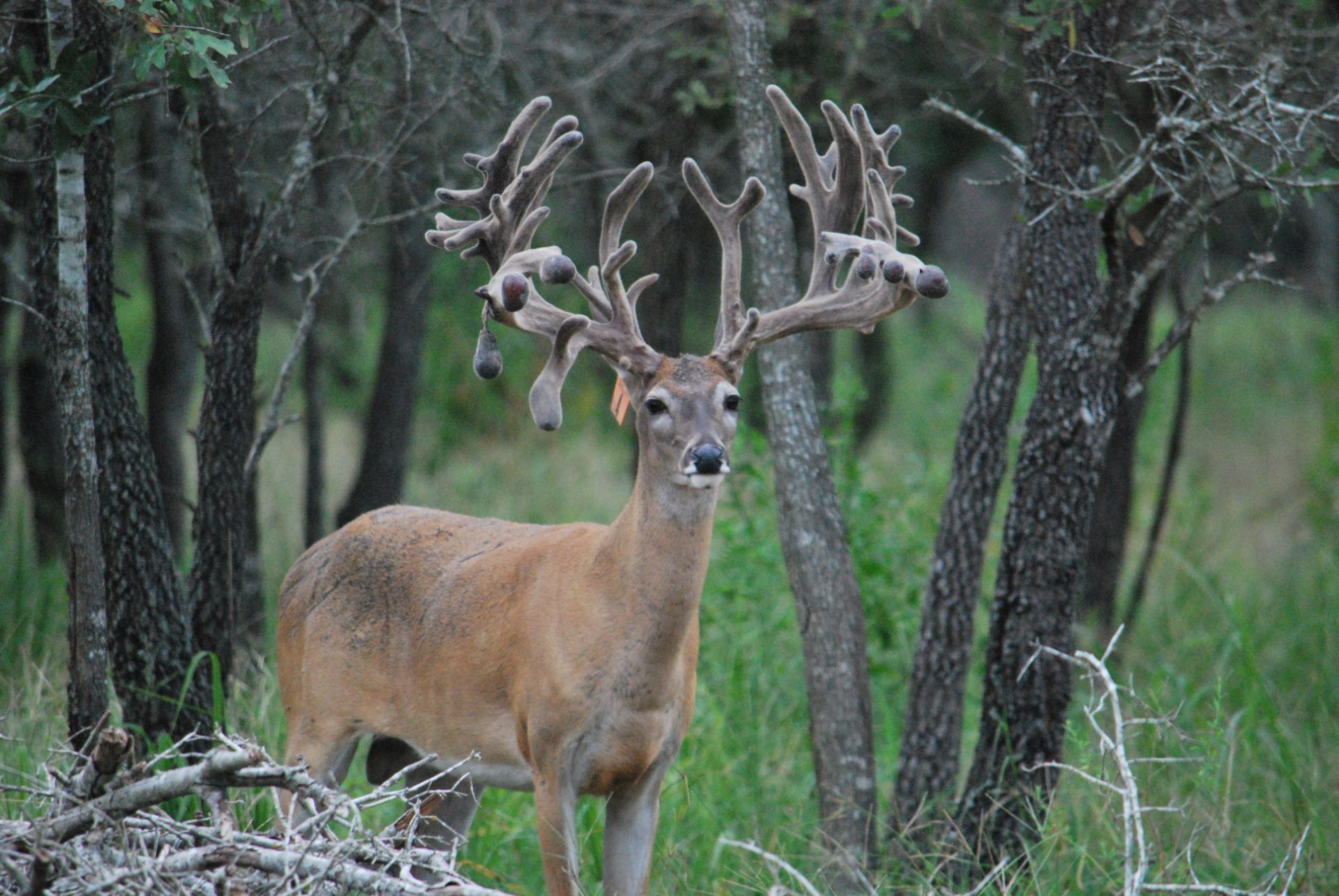
A herd running on average genetics produces average deer year after year, and the only way to shift that trajectory is to introduce animals carrying provably superior sire lines. SandJack Whitetails produces Stocker Bucks through an artificial insemination program using the top SS Breeder Bucks in Texas, resulting in animals with traceable bloodlines and verified CWD-resistance markers. Properties that introduce these bucks typically notice measurable changes in frame size and tine development within a single generation—observable differences that reflect the genetic ceiling being raised.
These bucks are selectively bred to produce large frames and long tines, traits that require both genetic potential and the physical durability to express those traits under the heat load and variable forage conditions of a working ranch. The SS marker selection integrated into the program means each stocker buck contributes disease resistance alongside trophy genetics, addressing herd health and antler quality through the same animal rather than requiring separate purchasing decisions.
Ask about current stocker buck availability and the genetic documentation provided for each animal before purchase.
What Changes After Stocker Bucks Join Your Herd
The artificial insemination process behind these bucks begins with semen collection from verified SS-rated sires whose marker status, frame genetics, and production history are documented before a single breeding decision is made. That documentation carries through to each stocker buck produced, so buyers receive animals with a known genetic profile rather than an educated estimate about parentage. This traceability is what separates artificially inseminated stocker stock from field-bred animals selected based on appearance alone.
After these bucks begin working a property, you'll see fawns with wider spreads, heavier bodies, and more consistent antler development compared to previous generations—changes that reflect a measurably higher genetic ceiling rather than seasonal variation. SandJack Whitetails breeds these animals with the local environment specifically in mind, so production traits hold even when summer heat and drought would limit the expression of lesser-bred animals.
What Buyers Ask Before Purchasing Stocker Bucks
Ranchers and property managers evaluating stocker bucks typically want to understand the genetics behind the animals, how they're managed before sale, and what results to watch for after introduction.
What makes an artificially inseminated stocker buck different from a field-bred animal?
Artificial insemination uses semen from sires with documented SS marker status and frame genetics, while field-bred animals carry unknown parentage that makes predicting offspring traits unreliable.
How are the breeding bucks at SandJack Whitetails selected?
Sires are chosen based on verified SS marker status, frame size, tine characteristics, and documented production history—criteria that confirm the genetics being passed through meet both trophy and disease-resistance standards before inclusion.
When should stocker bucks be introduced to have the most impact?
Introducing bucks ahead of the rut allows them to begin contributing genetics in their first full season, giving the property a measurable baseline for comparing fawn crops in subsequent years.
Why do bucks bred with Texas conditions in mind outperform imports from other regions?
Heat tolerance and forage adaptability are built into selection criteria at operations like SandJack Whitetails, whereas bucks produced in cooler climates may not express the same durability or body condition under local summer demands.
What role does CWD resistance play in a stocker buck purchase decision?
As CWD continues expanding across additional counties, bucks carrying SS markers contribute resistance genetics to every doe they breed, meaning each passing season builds a measurably more resistant population without requiring additional management changes.
SandJack Whitetails maintains detailed genetic records for every stocker buck available—review current inventory and the documentation behind each animal to determine which align with the direction your property is heading.