
Whitetails
Whitetails for Sale in Texas
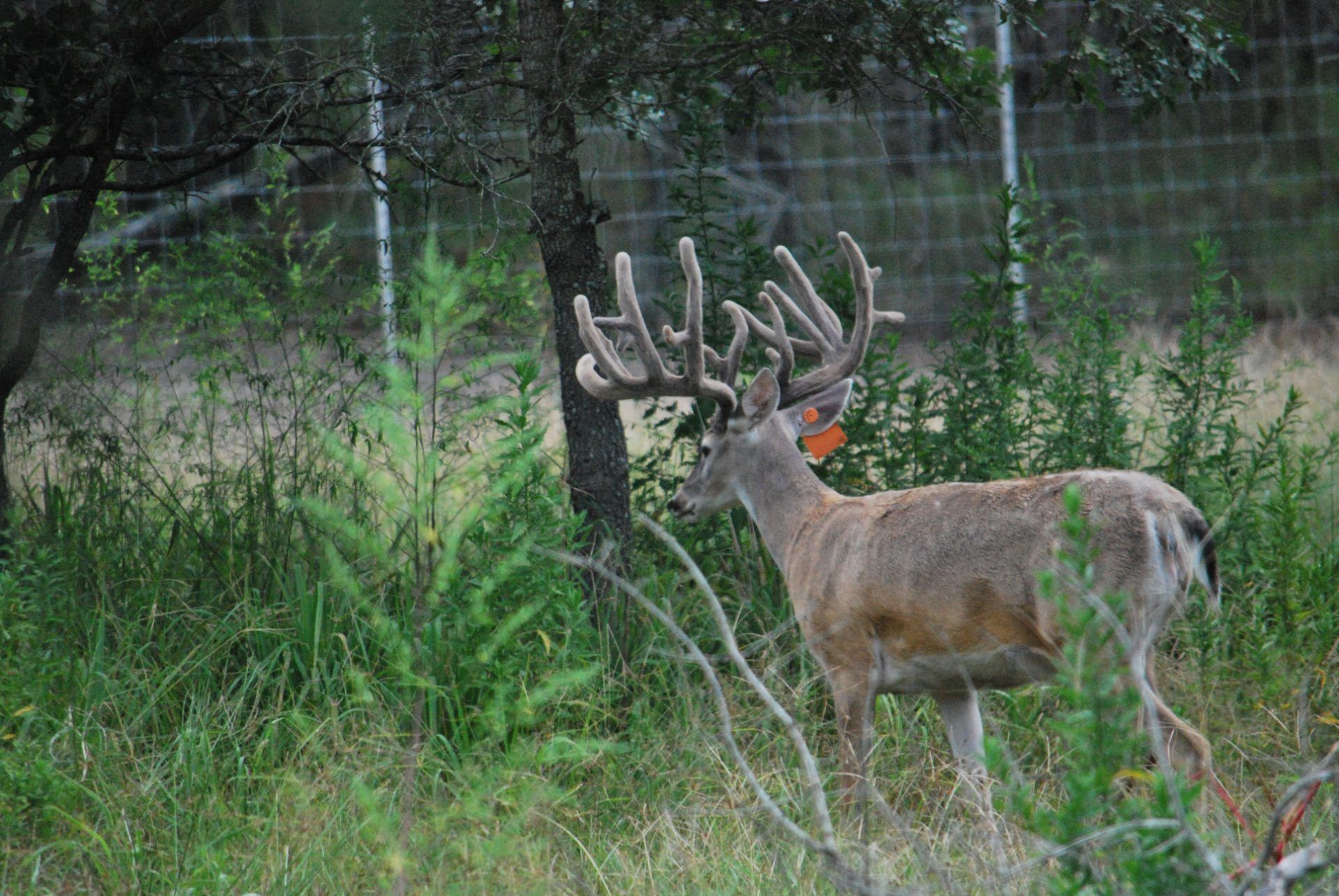
Building a disease-resistant whitetail herd begins with controlled sire selection, and SandJack Whitetails structures its entire breeding program around SS Breeder Bucks whose marker status, frame genetics, and production records are confirmed before any breeding decision is made. This artificial insemination program produces Texas whitetails that hold both CWD-resistance genetics and the structural characteristics associated with authentic native bloodlines. Operations that have found genetic health and classic phenotype to be competing priorities will find both addressed within the same animal here.
The SS marker selection in this program is intentional across generations—breeding decisions are structured so each crop inherits a higher proportion of resistance markers than the previous one. The program runs this selection in parallel with pedigree preservation, maintaining the iconic frame and classic body characteristics that distinguish native whitetails from animals bred purely for antler scores without regard for type.
Arrange a conversation with SandJack Whitetails to review available inventory and the genetic documentation behind each animal.
How Artificial Insemination Builds Herd-Wide CWD Resistance
The artificial insemination process at SandJack Whitetails controls the genetic contribution of every sire used—the primary difference between this program and natural herd breeding. In natural breeding, the bucks with the most competitive advantage pass on genes, not necessarily animals with verified SS marker status or documented frame genetics. Artificial insemination substitutes deliberate selection for competitive randomness, which is why the genetic outcomes here are predictable and traceable rather than variable.
Animals produced through this program arrive with visible indicators of the selection criteria behind them—consistent body mass, proportional frame development, and the structural characteristics that identify authentic pedigree lines. Each animal also carries documented SS marker status, so buyers know exactly what resistance genetics are entering their herd rather than estimating based on appearance or assumed bloodlines.
The balance between CWD resistance and phenotype preservation is what makes this program worth examining closely. Some breeding programs address one at the expense of the other, producing either genetically healthy deer that don't represent the regional type, or visually impressive deer with no documented resistance markers. SandJack Whitetails maintains both as simultaneous selection criteria across every breeding cycle.
Answers to Common Whitetail Program Questions
Texas ranchers evaluating whitetail purchases often want to understand how the artificial insemination program works, what genetic documentation is provided, and how CWD-resistance genetics integrate with an existing herd over time.
What is the role of SS markers in this breeding program?
SS markers indicate a specific prion protein gene variant that reduces an animal's susceptibility to Chronic Wasting Disease, and selecting for them consistently across generations raises the herd's baseline resistance in a documentable, measurable way.
How does the artificial insemination program preserve classic whitetail phenotype alongside disease-resistance selection?
Sire selection includes evaluation of frame characteristics, body structure, and pedigree depth alongside SS marker status, so disease-resistance selection runs parallel to visual trait preservation rather than replacing it.
Why does purchasing artificially inseminated whitetails cost more than buying field stock?
The premium reflects documented sire identity, verified SS marker status, and the controlled insemination process—factors that produce genetic certainty that field-bred animals with unknown parentage cannot provide.
When is the best time to add new animals to an existing whitetail operation?
Introductions timed during the off-season allow new animals to acclimate to local forage and temperature conditions before the stress of breeding season, which supports better first-year performance and integration.
What should buyers ask before purchasing whitetails from any breeding program?
Ask for documentation of the sire's SS marker status, the dam's production history, and whether the program maintains selection records across multiple generations—criteria that separate a genuine genetics-forward program from one built primarily on marketing.
SandJack Whitetails maintains detailed genetic records for every animal available—review current whitetail inventory and the documentation behind each one to determine how they fit the direction your operation is building toward.